
Beaver Log
How Children Teach Us to Speak
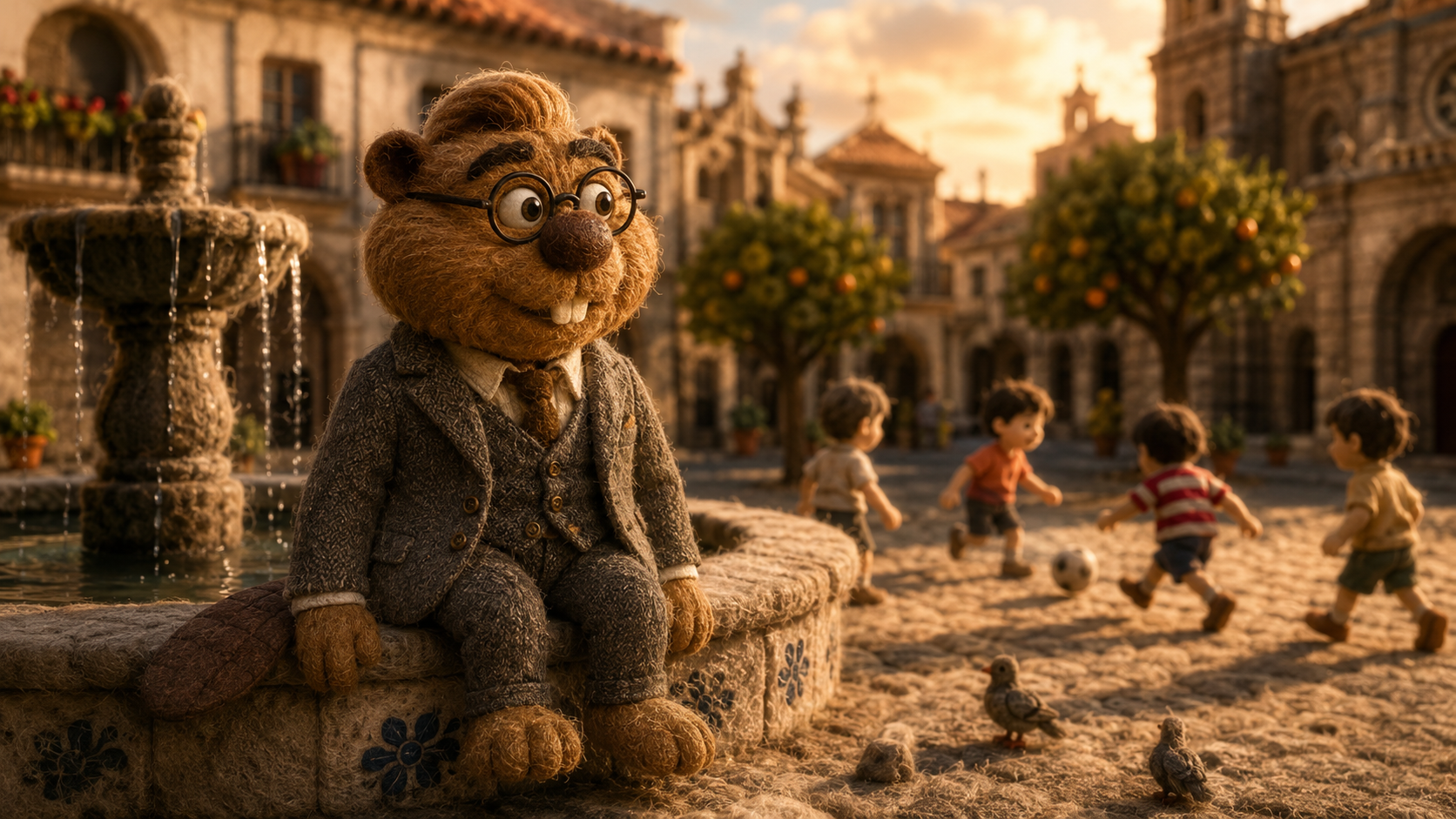
Guten Tag, dear reader! It is I, Ludwig, your beaverly guide through the winding rivers of language. Today, let us paddle upstream to the source: how do children acquire language, and what can we, as grown-up seekers, learn from their wondrous ways? Picture a Spanish plaza at dusk, laughter echoing, children darting between fountains, their words bubbling up like spring water. They do not memorize conjugations or fret over grammar tables. Instead, they swim in language—surrounded by stories, songs, and the gentle corrections of those who love them. The secret? Comprehensible input. Children hear, see, and feel language in meaningful, delightful contexts. They are not taught; they absorb.
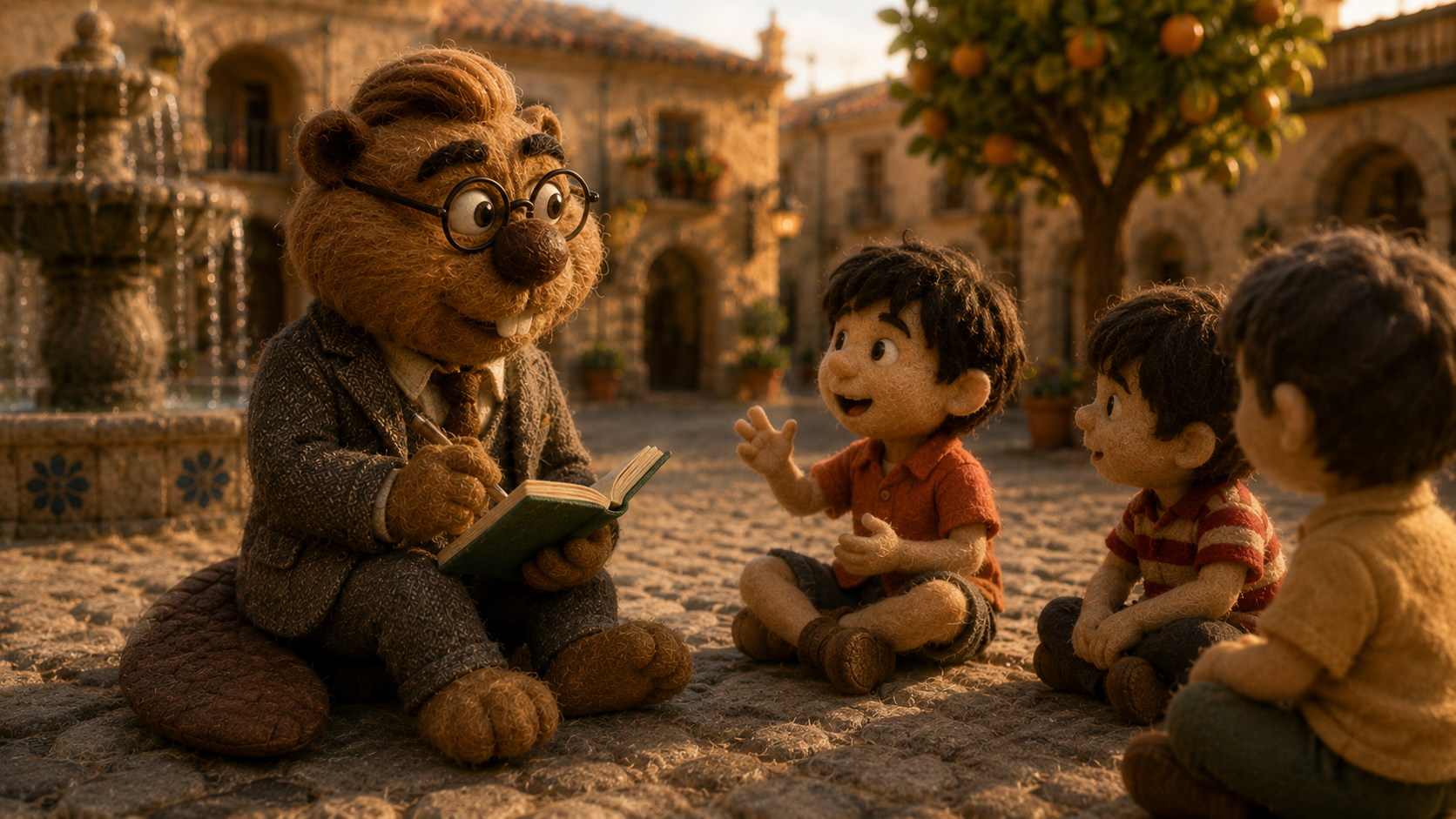
Now, let us don our philosophical spectacles. Why does this matter for us adults, especially those dreaming of Spanish adventures in Barcelona or Buenos Aires? Too often, we approach language like a fortress to be stormed, armed with flashcards and anxiety. But what if, instead, we played? What if we listened to Spanish lullabies, watched telenovelas, or ordered churros in Madrid with a grin, mistakes and all? The child’s mind is not a blank slate, but a garden—language grows when watered with curiosity, not fear. Even the great philosophers (ahem, yours truly) know: language is life, not a checklist.
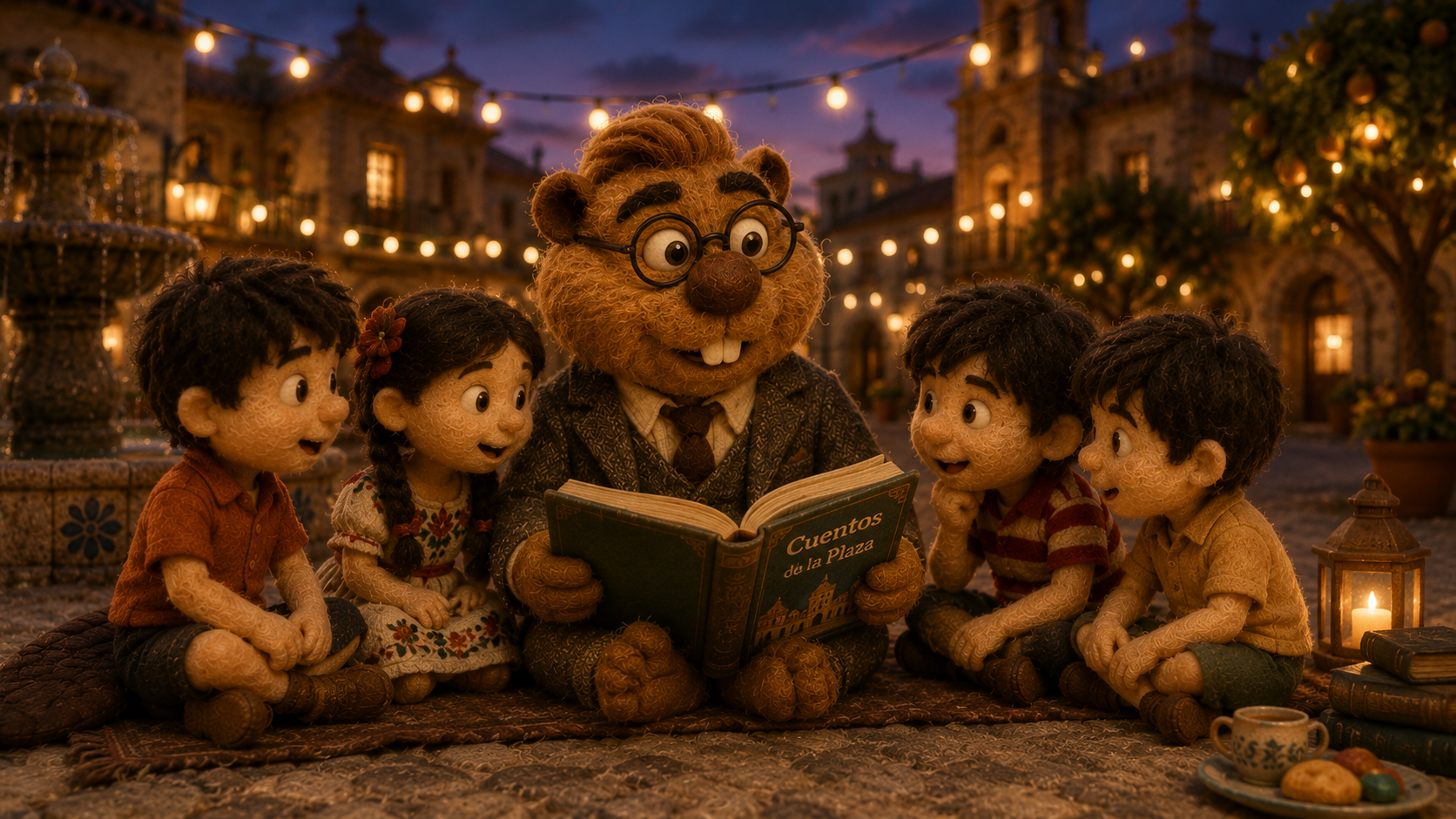
Here’s a beaverly tip: practice with me, Ludwig, in your new language! With 'Chat with Ludwig', you can role-play, swap stories, and receive gentle nudges (never gnaws!) toward fluency. I’ve read all your tales, and I’m always ready for a chat—be it in Spanish or any tongue you fancy. Remember, language is not a race, but a river. Wade in, splash around, and let the current carry you. Adults, take a cue from the children: play, listen, and let language find you. ¡Vamos juntos! (Let’s go together!)